ISRIC - World Soil Information Database
© European Communities, 1995-2007 | Since its beginning in 1966, ISRIC - World Soil Information has built up a collection of more than 20.000 articles, country reports, books and maps with emphasis on the developing countries. The subject emphasis is on soils, but related geographic information on climate, geology, geomorphology, vegetation, land use, and land suitability is also important. The map collection contains over 6000, mainly small-scale (1:250.000 or smaller) maps. more... |
|
Many of these maps are completed by reports and related thematic and derived maps.
The collection is housed at Duivendaal 9, 6701 AR Wageningen, The Netherlands and is publicly accessible. The references of all items in the collection are included in the ISRIC - World Soil Information Database. New items are added regularly.
The functionality of the ISRIC - World Soil Information Database is being improved in collaboration with Wageningen UR library. New Features include: on-line access to over 3600 digital maps that can be down-loaded at high resolution and viewed on screen with a zoom facility; over 600 full-text reports in PDF format; country-specific searches based on Google maps, as well as basic and advanced search facility.
The website of the ISRIC - World Soil Information Database provides access to links of databases, national and international organizations, electronic books, newsletters , journals, and reference materials related to soil science.
Five thousand maps in the ISRIC collection scanned as a foundation for the European Digital Archive of Soil Maps (EuDASM) are available through the website of the ISRIC - World Soil Database as well. | |
May 11, 2010
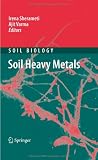
Soil Heavy Metals
The topics presented include: the general role of heavy metals in biological soil systems; the relation of inorganic and organic pollutions; heavy metal, salt tolerance and combined effects with salinity; effects on abuscular mycorrhizal and on saprophytic soil fungi; heavy metal resistance by streptomycetes; trace element determination of environmental samples; the use of microbiological communities as indicators; phytostabilization of lead polluted sites by native plants; effects of soil earthworms on removal of heavy metals and the remediation of heavy metal contaminated tropical land.
Subscribe to:
Post Comments (Atom)


Reports and maps

The main purpose of our acquisition policy, as
No comments:
Post a Comment